
Starting your own business? First off—congrats. That first step is a big one. Now, if you’re thinking of forming an LLC, you’re probably wading through a swamp of advice online. Some of it sounds way too technical, and other parts are just plain confusing. So let’s cut through the fluff and get you sorted with a guide that actually makes sense.
Here’s how to set up an LLC in the U.S. without getting overwhelmed—and without spending hundreds on something you can often do yourself.
What is an LLC?
LLC is a short form of Limited Liability Company. It is a business structure that protects your personal assets from your business liabilities. Basically, it draws a clear line between you and your business.
So if your business gets sued or owes money, they can’t come after your house or personal bank account (as long as you’re doing things by the book).
You still pay taxes on the money you make, but the business itself doesn’t usually pay income tax. That part passes through to you.
It has popularity for a reason: it is simple, it offers protection, and it gives you flexibility.
Different Types of LLCs
People often assume there’s just one standard LLC—but actually, there are a few types depending on your setup:
Single-Member LLC
If you’re running the business alone, this is the one you want. It’s just you—no partners, no co-owners. Taxes are straightforward and you’re still legally protected.
Real example: Kevin sells handmade knives online. He forms a single-member LLC under the name “Kevin’s Blades, LLC” so his customers take him seriously—and so a refund claim doesn’t hit his personal savings.
Multi-Member LLC
Have a partner? You’ll need a multi-member LLC. You and whoever else owns the business will share profits (and responsibilities). You’ll have to report taxes a bit differently, but the setup is similar.
Example: Two friends open a car detailing shop. They agree on a 60/40 profit split, and their multi-member LLC reflects that.
Member-Managed vs. Manager-Managed
- In member-managed LLCs, all owners run the show.
- In manager-managed, the owners appoint someone (maybe themselves, maybe not) to handle daily decisions.
This helps when you have silent partners or investors who don’t want to deal with operations.
Series LLC
This one’s not available in every state. Think of it like one big LLC with separate compartments inside it. People often use these for real estate, where each property is part of the “series.”
Heads up: Not all states recognize this setup, and it can get tricky during tax time. Not for beginners.
Step-by-Step: How to Form an LLC
If you’re the checklist type, this is where things start to click. These steps will get your LLC off the ground.
Step 1: Pick a Name for Your LLC
Naming your business is fun—but there are rules.
Your name has to be:
- Unique in your state
- Not too similar to existing businesses
- End with “LLC” or “Limited Liability Company”
Check your state’s business registry website to make sure your name isn’t taken. It takes 2 minutes and can save you hours of headaches later.
Quick tip: See if the website domain is available too. No sense naming your business “Maggie’s Dog Treats” if maggiesdogtreats.com is already a pet clothing brand.
Step 2: Decide Where to Register
Unless you’ve got some fancy tax strategy in mind, you’ll want to register your LLC in the state where you’re doing business. That’s usually where you live.
Yes, Delaware and Wyoming are “business-friendly,” but they’re not always practical. You’ll end up paying more in the long run if you’re operating in a different state than you’re registered in.
Example: You run a photography business in Georgia. Forming your LLC in Georgia just makes sense—you’ll avoid extra paperwork and double fees.
Step 3: Choose a Registered Agent
Every LLC needs a Registered Agent—someone who accepts official mail for the business. That means things like lawsuits, state notices, and tax letters.
This person (or company) must:
- Have a physical address in the state
- Be available during business hours
You can be your own agent, but your address becomes public. If that’s a problem, hire a Registered Agent service. It usually costs around $100/year.
Pro tip: If privacy matters to you—say you’re running a business from home—go with a registered agent company. Worth it.
Step 4: File Your Formation Paperwork
This is where your LLC becomes official. You’ll file a form (often called the Articles of Organization) with your state’s business division.
Expect to provide:
- Your LLC’s name
- Address
- Registered agent info
- Whether it’s single or multi-member
Fees range from $50 to $300, depending on the state. Most filings are done online, and in some states you’ll get approved within 24 hours.
Step 5: Create an Operating Agreement
Even if your state doesn’t require one, do this. An Operating Agreement lays out the rules for your business—who owns what, how money is split, how decisions are made, and what happens if someone leaves.
For solo owners, it’s still helpful. It shows banks and tax agencies that you’re running a legit business.
Example: Emma runs a skin-care brand and gets a request to wholesale. The distributor asks for an Operating Agreement before sending a contract. Lucky for Emma, she made one.
You can find templates online and tweak them to fit your needs.
Step 6: Get an EIN from the IRS
The EIN (Employer Identification Number) is like a Social Security number for your business. You’ll need one to:
- Open a business bank account
- File taxes
- Hire employees (if that’s part of your plan)
You can get it free at IRS.gov. It takes 5 minutes. Just don’t pay someone else to do it—seriously, it’s a scam if they charge you.
Step 7: Open a Business Bank Account
Please don’t mix your personal and business money. It’s messy, and it can break the legal protection your LLC gives you.
Bring your EIN, Articles of Organization, and Operating Agreement to the bank and open a dedicated account.
True story: A friend of mine ran his T-shirt brand out of his personal account. One refund dispute turned into a nightmare. Now he uses a business account and never looked back.
Step 8: Understand Your Taxes
Here’s where LLCs are nice. By default:
- Single-member LLCs = taxed like sole proprietors
- Multi-member LLCs = taxed like partnerships
Profits flow through to your personal taxes. You’ll pay income tax and self-employment tax, but the LLC itself usually doesn’t pay tax separately.
Once you’re earning more, you can elect to be taxed as an S Corp to potentially save on self-employment taxes. But don’t jump into that until you talk to a tax pro.
Step 9: Get the Right Licenses & Permits
Forming an LLC doesn’t mean you’re licensed to operate. Depending on your industry and location, you may need:
- Business licenses from your city/county
- Sales tax registration
- Zoning permits
- Health or professional permits
Example: Starting a food truck? You’ll need state licenses, city approval, and health department inspections. Every area’s different, so check your local rules.
Step 10: Keep It Legit (Annual Reports & More)
You’re not done after filing. Most states require an annual report, franchise tax, or renewal fee to keep your LLC in good standing.
Miss a deadline and your LLC could get suspended or dissolved. Yikes.
Set a calendar reminder, or better yet, sign up for email alerts from your state’s business site. Some even let you auto-renew.
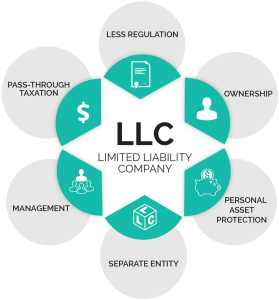
Pros of Forming an LLC
- Protects your personal stuff – your house, car, and savings stay safe if the business is sued.
- Simple setup – way less paperwork than a corporation.
- Flexible taxes – you can choose how you’re taxed (sole prop, partnership, S-Corp).
- More credibility – looks more professional to clients and banks.
- Less red tape – no board meetings or annual shareholder stuff.
- Easy to add partners – you can bring in co-owners later if needed.
- Pass-through income – business income goes straight to your personal return (by default).
Cons of Forming an LLC
- Still pay self-employment tax – can eat into profits if you’re solo.
- Fees vary by state – some states charge a lot just to keep it active (looking at you, California).
- Can’t sell shares – not as easy to raise big investor money like a corporation can.
- Limited life – in some states, if an owner leaves or dies, the LLC dissolves (unless planned for).
- Paperwork isn’t zero – you’ll still file reports, renew licenses, etc.
- Banks may ask for extra docs – opening accounts can take a few steps.
Final Words:
Forming an LLC can feel overwhelming—until you actually start doing it. Take it slow, knock out one step at a time, and don’t worry if you mess something up. Most states make it easy to fix little mistakes.
And once it’s all set up? You’ve taken your idea and made it official. You’ve got a real, legal business now. That’s a big deal.
FAQs
Q: Can I form an LLC by myself?
Yes—tons of solo business owners do it. It’s called a single-member LLC.
Q: How much does it cost to form an LLC?
Depends on the state, but expect anywhere from $50 to $300.
Q: Is an LLC the same as getting a business license?
Nope. An LLC is your business structure. A license is your permission to operate. You’ll likely need both.
Q: Can I use my home address for the LLC?
Yes, but that address becomes public. If you want privacy, use a registered agent or virtual office.
