
Oura is bringing a small wearable to Wall Street and telling investors it could mean more than they think.
The Finnish company behind the smart ring is now on its U.S. roadshow for an initial public offering. It wants to raise up to $2.2 billion by selling 50 million shares. The expected price is $40 to $44 per share. If shares price at the high end, the fully diluted value would be around $15.6 billion. The stock is set to trade on Nasdaq under the ticker OURA.
The payout figures stand out. Still, the bigger question with this IPO is what Oura is truly offering.
Oura used to be known mainly for a ring that tracks sleep. Now it is pitching a subscription health service built on top of the device. It relies on biometric signals and uses software to convert those readings into personal guidance.
That plan has been driving quick expansion. In the nine months ended June 30, 2026, Oura brought in $1.21 billion in revenue. That is about 74% higher than the same stretch a year earlier. Over the 12 months through June, it sold 3.6 million rings. For fiscal 2026, the company expects about 5.7 million members who pay.
For buyers, this IPO is not only a story about growth. It is also a way to see if the public market will back a wearable brand as a real force in consumer health.
From Smart Ring to Health Platform
Oura started in Finland in 2013. Petteri Lahtela, Kari Kivelä, and Markku Koskela founded it. In the beginning, the firm became known for sleep tracking. It used a small ring. It did not rely on a watch.
The ring choice mattered.
Many smartwatches add lots of functions. They also add a screen, alerts, and a larger form. Oura went another way. The ring could gather health data all day. It did that without a display on the wrist.
Later, the scope grew.
Oura now measures more than 50 health and wellness metrics. These include heart rate, activity, sleep, stress, body temperature, and more signals from the body. The company reports that its members have created about 42 billion hours of biometric data over time.
More and more, this information drives the business.
The ring is the hardware. Still, Oura wants to focus on software and services. Those plans are meant to use what the ring records.
The Business Model Has Two Parts
Oura earns money in two ways: it sells the ring and it charges for a membership.
This setup matters.
First, the ring sale is the entry point. After a customer buys a ring, Oura pushes the person to use the membership. The membership unlocks more data and additional tools.
For the nine months ending June 30, hardware revenue came to about $974 million. In the same period, membership revenue was $240.5 million. That is more than twice what it was in the year before.
The membership portion looks strong. It brings money that repeats over time, unlike a one time purchase.
In its IPO filing, Oura said membership revenue had an 89% gross margin.
That figure points to the direction Oura is aiming for.
Oura does not want to rely on people buying a new ring every few years. The main goal is to keep customers using its health platform and paying for the service.
Read about “Shein’s $26 Billion IPO: What Its Market Debut Says About Fast Fashion”
Why the Subscription Matters So Much
Running a wearable business is hard, even before you talk about hardware.
People tend to purchase a device one time. After that, the firm has to convince the buyer to upgrade, swap it out, or start a new product cycle.
Subscriptions change the deal.
When someone keeps paying each month, the money a customer brings in can last far longer than the initial ring sale.
Oura reports that about 94% of ring activations have turned into paid memberships. It also says its average retention over twelve months is near 85%.
These figures matter. They point to the idea that buyers keep coming back, not that they just buy once and move on.
Oura also projects it will have about 5.7 million members who pay by the end of fiscal 2026. That would be close to 96% growth from the prior year.
For public market investors, this is likely the main part of the story they will focus on.
The $2.2 Billion IPO Is Not All Going to Oura
A key point is tucked behind the $2.2 billion headline.
The deal includes 50 million shares in total from Oura and current shareholders. Oura itself will sell 13.5 million shares. The remaining 36.5 million shares come from existing investors.
So, a big part of the IPO lets earlier backers sell their holdings.
At the middle of the stated price range, current owners would take in about $1.53 billion before fees and costs, based on figures from the company filing.
Forerunner Ventures, an early investor, plans to sell its full stake, about 9.3%. If the shares price at $42, that stake would bring in around $1.2 billion before fees and taxes.
This setup does not automatically mean something is wrong with Oura. People who invested early still need a way to get liquidity at some point.
Still, it does affect how the $2.2 billion number should be read.
The headline reflects both money raised for Oura and a chance for earlier shareholders to exit.
Oura’s Valuation Has Climbed Quickly
The IPO would also require regular investors to go along with a jump in the company’s value over a short time.
After an October 2025 financing, Oura was reported at about $11 billion. That round brought in more than $900 million.
The latest IPO price band lifts the fully diluted value to as much as $15.62 billion.
The size of that jump makes more sense once you look at how Oura has been moving lately.
For the nine months ended June 30, revenue moved from about $698 million to about $1.21 billion. That is a rise of roughly 74%.
In the same nine month period, net income was about $60.8 million. A year earlier, it was about $1.6 million, based on the IPO notes.
So investors are being asked to pay more for a business that is growing fast. It is also bringing in ongoing subscription revenue.
The open issue is whether the pace can hold, or if it will slow soon.
Oura Wants to Move Into Preventive Healthcare
This section might be the boldest part of the whole tale.
Oura does not stop at basic fitness data.
In its view, the ring can act as an ongoing stream of health signals. Over time, that could be used for things like nutrition, fertility, metabolic health, care for long-term illnesses, and prevention.
Oura has already pushed its reach past consumer wellness. The firm says its platform works with more than 1,200 integrations. Some of those tie ups include Natural Cycles, Dexcom, and Strava. It has also started teaming up with health plans, employers, and healthcare groups.
If this plan holds, the business could grow past the smart ring market. Still, there are added hurdles.
Health care follows tighter rules than regular gadgets. Any clinical statement needs proof. Privacy matters more once biometric data is in the mix. And deals with insurers and care providers can take much longer than normal retail partnerships.
Oura must show that its tools can shift from helpful wellness insights to uses that are medically meaningful. It also needs to do it without damaging the trust of everyday users.
AI Is Becoming Part of the Strategy
Oura also plans to use artificial intelligence to get more value from its big pool of data.
There is a big step in gathering billions of hours of body data. There is a different step in turning that raw data into something a person can actually use.
Over time, the company has added more AI tools to the Oura platform. One example is Oura Advisor. It is meant to offer tips that fit each user, using what it has learned from their health data.
The core logic is simple. When people wear the ring more often, Oura gathers more records. With more records, it can tailor its guidance better. That better guidance may lead people to use the service more. If people use it more, they may be more likely to stay.
This can become a loop.
Still, Oura needs to watch its footing. People might react to AI advice on sleep or workouts in a different way than advice that could affect medical choices.
How well Oura grows next may hinge on whether it can widen these tools and keep its trust with users.
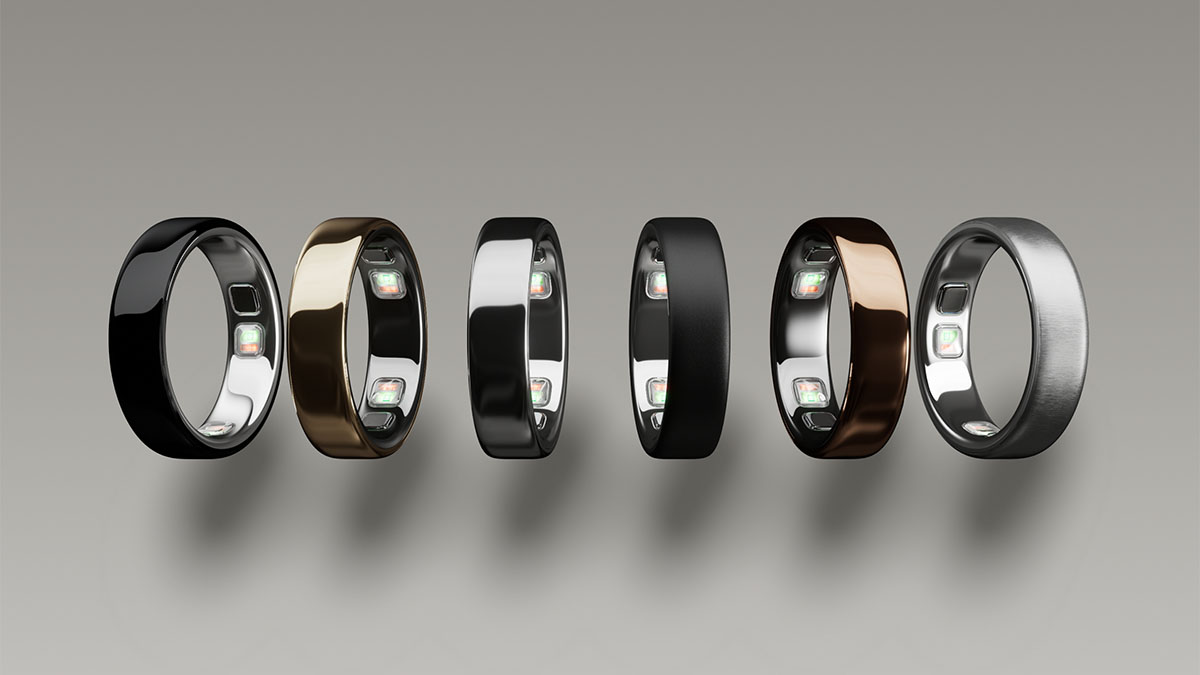
Oura Is Not Alone
Smart rings are getting crowded.
Oura was first in the space, but other brands are now moving in with big budgets.
Samsung is selling the Galaxy Ring. Apple is still pushing health tools on the Apple Watch. Whoop, for its part, runs a wearable business that leans on subscriptions.
Oura says its ring works better because the finger can track key body signals. It also claims the product is made for health use, not for the idea of a small phone on your hand.
Even so, the situation may get harder.
Big tech firms have large labs, lots of customers, and strong ways to sell. If smart rings turn into a mainstream category, Oura may need to fight off rivals that can cut the price of the hardware or add health perks through bigger product platforms.
Read fully “The Media-Shy Billionaire Helping Millionaires Dodge Taxes”
The Biggest Risk May Be the Valuation
Oura is moving fast as a business, yet the proposed IPO price does not allow much space for surprises.
If the deal is set at the high end of the target range, the company would be worth about $15.6 billion after dilution. That would be a clear step up from its private value of around $11 billion from less than a year ago.
Because of that, buyers have to line up several expectations.
They must think Oura can keep bringing in new members. They must also think those members will keep paying their subscription fees. They need confidence that device sales will stay solid. They also have to believe Oura can broaden beyond general wellness and turn into a wider health product.
One more issue matters too.
Most of Oura’s income today still comes from selling hardware.
Membership revenue is rising quickly and it tends to earn better margins. Still, hardware made up roughly 80% of revenue in the most recent nine-month stretch.
So the shift toward repeat, subscription based income has started. But it has not reached the finish line yet.
What the Oura IPO Really Says
The Oura IPO stands out, but not just as a new listing for a well known wearable.
This move hinges on a simple idea. A small ring on a finger could be the start of a much bigger health company.
Oura has already shown that people will buy a screen free device. They also keep paying for the app that goes with it. Sales have risen fast. More members are joining over time. The firm has also gathered a large pile of biometric information.
At this point, public investors will choose what they think the next chapter is worth.
The deal valued at about $2.2 billion could help early backers benefit. It also gives Oura a way to fund the next stage in the public markets. Still, the real question comes after trading starts.
After the listing, Oura must keep moving up. It needs to convert more buyers into long term subscribers. It also has to show that the data it has can power tools beyond sleep tracking.
If it pulls that off, Oura may grow into more than a ring brand.
It could turn into a consumer health platform, even if the most visible part is still the product on your finger.
