
Hollywood has spent years chasing the future of entertainment. Streaming platforms have invested billions in technology content and digital experiences hoping to change the way people watch movies and television.
Netflix was at the center of that transformation.
The company that once disrupted Hollywood is now facing a different challenge: figuring out where all that spending should go next.
In October 2026 Netflix reportedly laid off around one thousand employees affecting departments, including technology, product, legal and human resources. The restructuring came as Netflix reassessed its priorities and looked for ways to operate efficiently.
The move raises a question for the entertainment industry.
If technology helped Netflix become a powerhouse why is Netflix now cutting jobs and reconsidering its investments?
The answer goes beyond layoffs. The answer reflects a shift, in Hollywood, where streaming companies are learning that spending more does not always mean growing faster.
Netflix Is Rethinking Its Technology Strategy
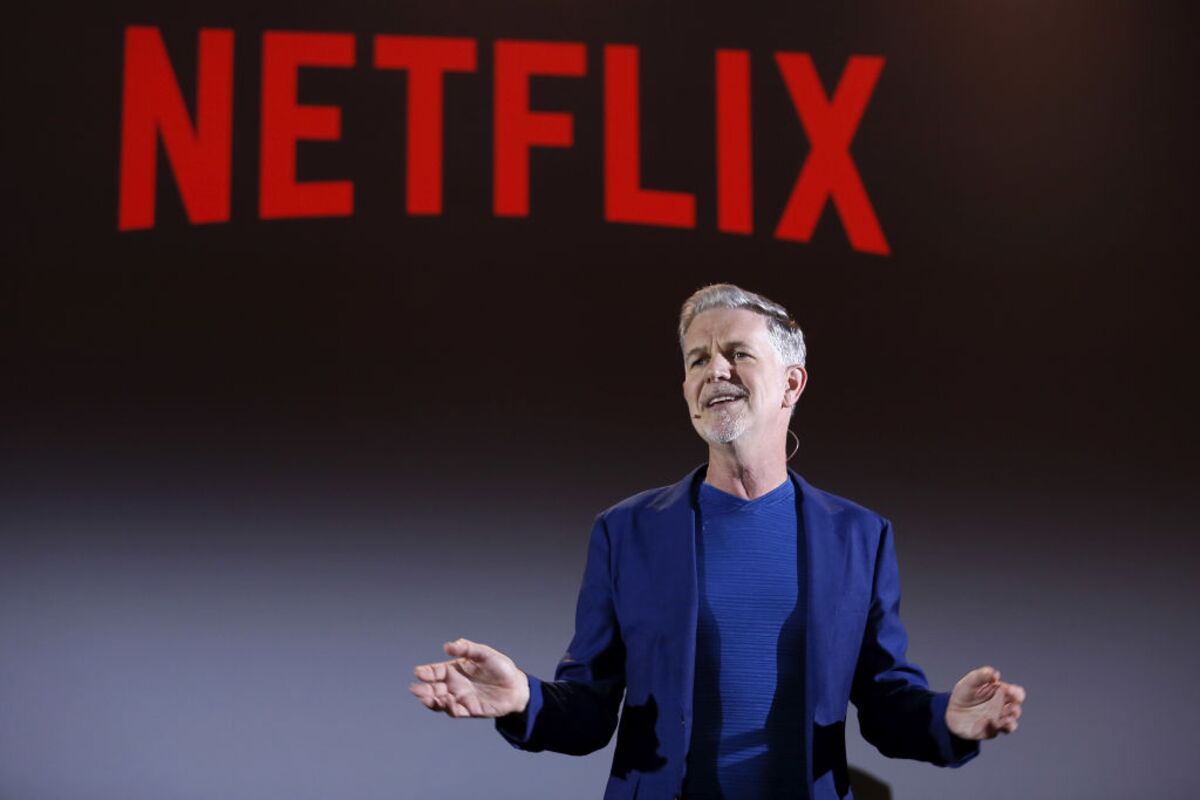
I have seen how Netflix built its reputation by making entertainment easier to access.
Netflix moved from DVD rentals to streaming. That changed how millions of people watched television. Netflix’s recommendation system helped viewers discover shows and Netflix’s technology made it possible to stream content across different devices.
Technology was not simply supporting the business. Technology was the business.
The market looks very different today.
Netflix now competes with Disney+, Amazon Prime Video, Apple TV, HBO Max, YouTube and countless other entertainment platforms. Consumers can move between paid subscriptions, free videos, social media and live entertainment without effort.
Keeping viewers engaged has become a challenge.
Netflix must continue improving its technology. Those investments also need to deliver results. They should help attract subscribers increase viewing time improve advertising revenue or encourage customers to stay.
That is where Netflix’s latest restructuring becomes interesting.
The focus is no longer on building impressive technology. The focus is about making sure that technology contributes to Netflix’s performance.
For Hollywood Netflix’s changes could signal an approach, to digital investment.
Amazon’s fall fashion rush also reflects a broader shift in how everyday brands are turning seasonal demand into business growth. From affordable wardrobe staples to trend-driven collections, retailers are finding new ways to capture shoppers’ attention.
The Expensive Challenge of Keeping Viewers Watching
Streaming companies have spent years investing in content and technology. I have seen how this effort shapes the industry.
Netflix has built a library of movies television shows, documentaries and live programming. Netflixs recommendation tools help viewers navigate that library while Netflixs streaming infrastructure supports audiences around the world. I find that Netflixs reach is impressive.
There is a problem.
People have entertainment choices than ever before. I think this has changed how we spend our time.
A viewer can spend an evening watching Netflix scrolling through YouTube playing a game or browsing media. Every platform is competing for the amount of attention. It feels like a battle, for our focus.
That makes audience engagement increasingly valuable.
Netflix can spend billions producing shows. That investment becomes harder to justify if Netflix viewers are not watching significantly more content. I worry that spending money without viewership is risky.
The challenge is not simply producing more. Producing something people actually want to watch is the key. I believe the key is relevance.
Technology can help Netflix understand viewing habits recommend shows and improve the user experience. Technology cannot guarantee that a new Netflix series becomes a hit. I see shows that just do not find an audience.
A powerful algorithm may help someone discover a show. The story still needs to keep them watching. I think the narrative quality matters most.
That distinction is becoming increasingly important across Hollywood. I feel the industry is moving toward content creation.
Hollywood’s Technology Investments Are Under Pressure
I think Netflix wants more than movies and television.
I have seen Netflix try gaming, advertising technology live programming and other digital experiences to keep subscribers engaged.
I know that going into new areas is not always easy.
Gaming for example works differently from television production. It needs development teams, different creative processes and a deep understanding of interactive entertainment.
Netflixs gaming strategy has faced challenges, including studio closures and changes to its approach.
The experience shows a problem in digital business.
A new opportunity may look good on paper. Turning it into a successful product needs more, than money.
Companies need the teams, a clear strategy and an understanding of what customers actually want.
For Netflix the next step may be to focus on technology that makes its core streaming business stronger rather than spreading resources across too many projects.
YouTube Is Changing the Rules of Entertainment
I see that one of Netflixs competitors does not work like a traditional Hollywood studio.
It is YouTube.
I see that the platform has built an entertainment ecosystem around independent creators, influencers, businesses and professional media companies.
Unlike Netflix YouTube does not have to finance every video that appears on its platform. Millions of creators produce content while YouTube gives the technology, distribution and advertising infrastructure.
That creates a different business model.
I notice that Netflix must invest heavily in programming and licensing. I also see that YouTube benefits from a network of creators who produce content and share advertising revenue with YouTube.
The competition is not just about movies or television shows.
It is about time.
According to Nielsen figures cited in the Los Angeles Times YouTube accounted for 14.2 percent of U.S. Television viewing in July 2026 compared with Netflixs 7.8 percent.
That difference highlights a shift, in the entertainment industry.
Streaming companies are no longer competing against other studios. They are competing against every platform that can capture a viewers attention.
For Netflix this means technology must do more than deliver content. It must help Netflix remain relevant in a crowded market.
Why Spending Smarter Matters More Than Spending More
I see that Netflixs restructuring does not mean that technology is becoming less important.
I think technology remains essential, to every part of the streaming business.
Technology supports video quality, content discovery, advertising, audience analysis and customer retention.
I ask myself where companies should invest.
I think a streaming platform may benefit from recommendation systems efficient production tools or advertising technology that creates new revenue opportunities.
I also know that spending heavily on projects that fail to improve the customer experience can put pressure on the business.
I notice that Netflixs financial performance makes the situation more interesting.
The company continues to generate revenue and profit. Investors still want to see sustainable growth. They are looking for evidence that new investments can deliver returns.
That puts pressure on management to make decisions.
I see that a project may be technologically impressive but if it does not attract viewers improve revenue or strengthen the business its value becomes harder to defend.
This is a lesson that extends beyond Netflix.
Across the technology sector companies are becoming more selective about where they spend their money.
The goal is not to abandon innovation.
It is to make innovation work harder.
What Netflix’s Cuts Mean for Hollywood
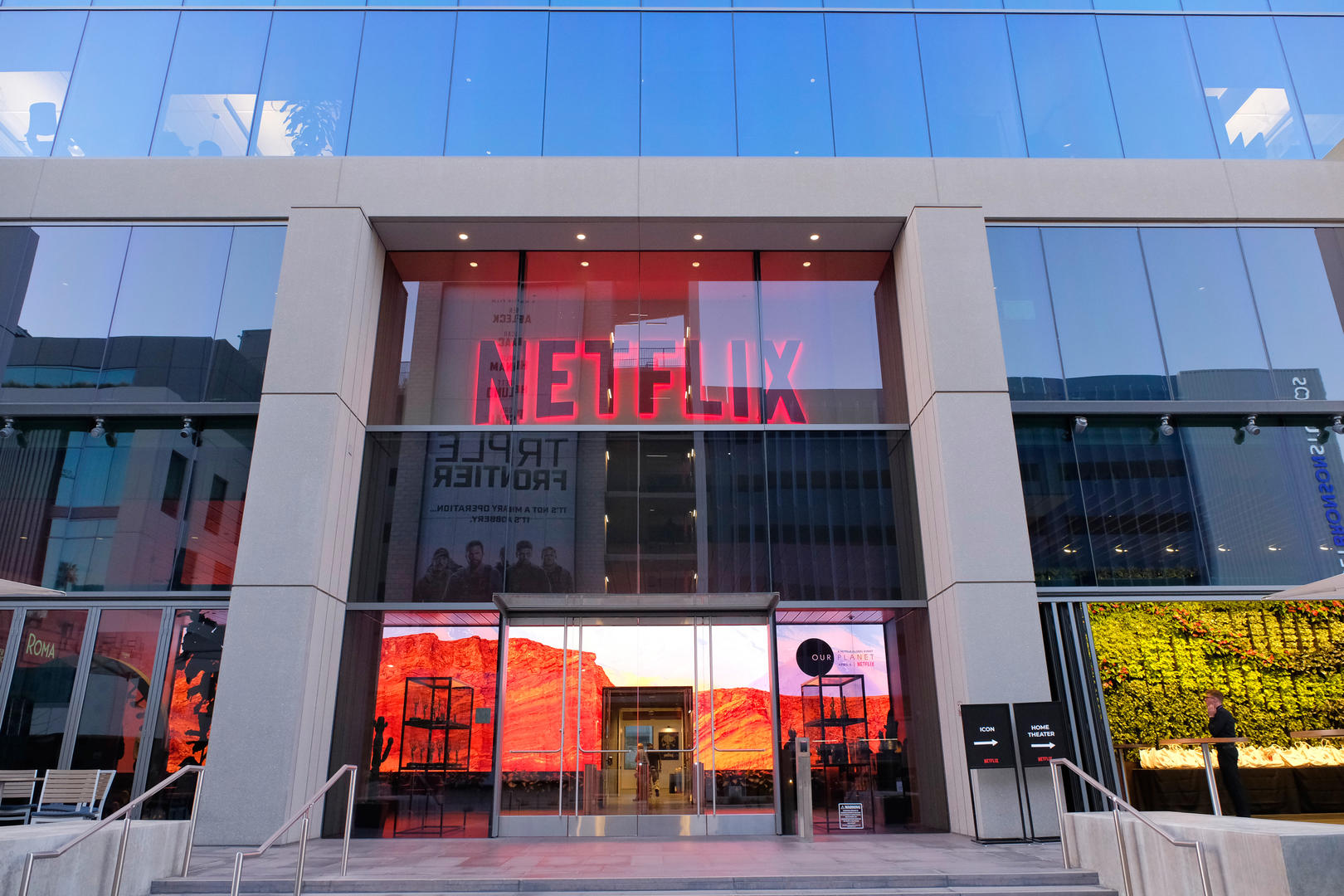
Netflixs restructuring shows a bigger change happening in the entertainment industry.
For years companies were focused on growing their streaming services. They bought technology tried digital formats and pushed to reach more people online.
Now the goal has changed. Companies are looking closely at profits how efficiently they operate and how they can grow in a smart way.
That doesn’t mean Hollywood is stepping back from technology.
Artificial intelligence, ad platforms, recommendation systems and digital production tools will still shape how entertainment is made and shared.
Companies may be more careful now. They will likely avoid spending on technology that doesn’t clearly support their business goals.
The companies that succeed will be those that know how to connect technology with storytelling.
Technology can make entertainment easier to find. It helps people discover shows and lets companies reach fans anywhere, in the world.
Technology cannot replace the feeling you get when a story truly moves you.
That emotional connection is what matters most.
That is where Netflix’s future will be decided.
The Bigger Lesson Behind Netflix’s Major Cuts
Netflix helped change Hollywood by showing that technology can transform entertainment.
Now Netflix is facing the challenge of managing that transformation.
Netflixs latest cuts suggest that the streaming industry is entering a disciplined phase. Companies are being pushed to think carefully about their investments, their audiences and the financial value of their technology.
For Hollywood the lesson is simple.
The future of entertainment will not belong to companies that spend the most money or build the most advanced systems.
Future will belong to businesses that understand what viewers want and use technology to deliver content
Netflixs story is a reminder that innovation’s not just about creating something new.
Innovation is, about creating something people value.
In an industry built around capturing attention innovation may be the most important investment of all.
As investors pour billions into artificial intelligence, Europe’s technology sector is entering a new era of business growth, where strategic deals and ambitious founders are reshaping the region’s economic future.
