
Billion-dollar decisions in aviation don’t happen overnight. When an airline decides to buy dozens of new aircraft, it’s sort of sending a message. Like the company thinks traffic will rise, there are upcoming chances, and the coming years are worth putting money into.
That’s what Philippine Airlines (PAL) is signaling with its latest announcement. The carrier, run by billionaire businessman Lucio Tan, is planning to order as many as 34 new aircraft from Airbus and Boeing. The move counts as one of PAL’s bolder expansion steps in recent times and shows renewed confidence in global mobility and the Philippine economy.
For passengers, investors, and aviation fans, this isn’t merely another aircraft order. It’s a peek at where PAL wants to be later on.
Why Philippine Airlines Is Expanding at a Time When Global Travel Is Surging Again
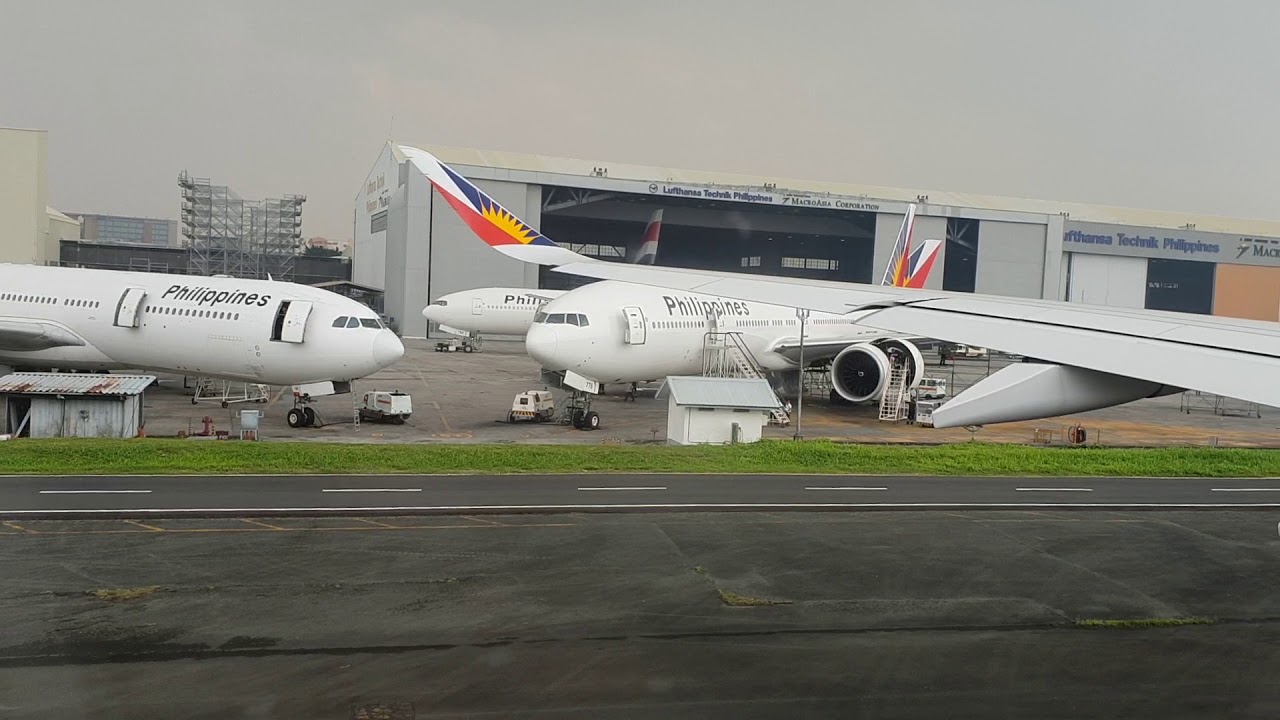
Just a few years back, the aviation industry was going through one of those most demanding eras in its entire history, maybe, you know. Travel restrictions, grounded fleets, and dropping passenger numbers pushed airlines worldwide to kind of reimagine how they operate. Some carriers were barely holding on, while others had to restructure more drastically.
Philippine Airlines really was not an exception. PAL dealt with heavy financial stress during the pandemic, then spent the last few years kind of working through rebuilding stages and looking forward.
Right now, the situation looks quite different. International travel demand keeps climbing, tourism and business travel are coming back, and airlines are basically sprinting to meet that renewed appetite.
For Philippine Airlines, this is turning into a clear opportunity to expand its network and reinforce its position in an industry that is extremely competitive. And the choice to order up to 34 new aircraft signals that growth is not only possible, but it’s also anticipated already.
How Lucio Tan Continues to Shape the Future of Philippine Airlines
Lucio Tan is one of the Philippines’ most well-known business figures.
Over the decades, he has built this huge business empire that spreads across things like tobacco, banking, property, beverages, and even aviation, more or less all in one broad sweep. Philippine Airlines is still one of the most recognizable companies in that collection.
For Tan, though, aviation has never been just another run-of-the-mill business bet. The airline feels like a national symbol, and it also matters in a practical way, because it links the Philippines to the rest of the world.
The newest fleet expansion doesn’t read like a knee-jerk answer to today’s market mood. It looks more like a long range plan, the kind that takes time and keeps going.
Aircraft aren’t bought for “next year.” They’re bought for the next decade and beyond. So by bringing in new planes today, PAL is setting itself up for what comes later, while staying competitive against bigger carriers that move faster and scale harder.
Why Ordering Aircraft From Both Airbus and Boeing Is a Strategic Move
One of the more interesting parts of the announcement is that Philippine Airlines isn’t putting all of its bets on one single
manufacturer. Instead, the airline is investing in aircraft from both Airbus and Boeing. It kind of gives them flexibility and lets them match certain aircraft to different operational needs, depending on what they’re doing at the time.
The Boeing 787 Dreamliner is pretty well known for its fuel efficiency, advanced tech, and passenger comfort. It’s especially popular for long-haul international routes, mostly because it can cover huge distances, while consuming less fuel than older aircraft types.
At the same time, the Airbus A350 has sort of become one of the world’s top long-range aircraft. Airlines often pick it for ultra-long-haul routes because of its efficiency, and also because it can carry passengers comfortably across very long stretches of air travel.
So, by bringing both aircraft into its fleet direction, Philippine Airlines can build a more adaptable network. And it also helps them reduce dependence on just one supplier, which is not a small thing.
In an industry where flexibility usually decides how far you go, that advantage can matter a lot. Large-scale investments—whether by businesses or governments—can have lasting economic effects. Understanding how major government initiatives are shaping long-term financial planning offers additional insight into today’s evolving financial landscape.
What These New Aircraft Could Mean for Passengers
Aircraft orders make headlines, but passengers usually just want to know one thing: what’s in it for me?
Quite a bit, actually. New planes tend to fly better than old ones. Cabins get roomier seats, cleaner air, quieter engines, bigger windows, updated entertainment, and lighting that’s easier on the body over a long flight. Fly long-haul and you’ll probably notice the difference.
Newer aircraft also burn less fuel and break down less often, which gives airlines more room to control costs.
While buying new planes doesn’t automatically translate into lower ticket prices, improved efficiency can help airlines remain competitive in pricing and route planning.
For travelers flying between the Philippines and major international destinations, these aircraft could eventually mean more route options, increased flight frequencies, and a more comfortable journey overall.
Why North America Is Likely a Major Part of the Expansion Strategy
North America is PAL’s bread and butter. Millions of Filipinos call the US and Canada home, so demand stays steady all year, not just during peak season. Families visiting relatives. Employees flying out for work. Students headed abroad to study. Tourists too.
These routes carry real weight for the airline because of that. The planes PAL is adding have the range to skip stopovers and fly straight between major cities. For anyone in the seat, that usually just means less time in transit and fewer headaches.
If demand keeps climbing the way it has, don’t be surprised if these routes end up anchoring PAL’s strategy for years to come.
The Bigger Business Message Behind a Multi-Billion-Dollar Investment
Big aircraft orders aren’t really about transportation. They’re a bet. When a company puts billions on the table for future growth, it’s telling you something: it believes in its customers, its market, its own future.
That’s the real story here. Philippine Airlines could have played it safe. Instead, it’s investing hard in modernization and expansion, betting that global travel keeps growing and that PAL wants a seat at that table.
There’s a second bet buried in there too, one on the Philippines itself. More routes and more flights mean more tourists, more business travelers, more economic activity trickling through the system. Airlines don’t just carry people. They help build the connections a growing economy runs on.
So this isn’t only a PAL story. It’s a signal about where the country is headed.
Looking Ahead: A New Chapter for Philippine Airlines
Aviation is a messy business. Fuel prices swing. Economies shift. What people want out of a flight changes too. The airlines that actually grow are the ones that plan ahead of demand, not after it shows up.
That’s why this order matters. It’s PAL putting real money behind ambition, uncertainty, and all.
The next decade could open a lot of doors for PAL. A bigger, newer fleet means more destinations, a better experience in the seat, and a stronger hand in international markets.
Final Thoughts
PAL’s decision to order up to 34 aircraft from Airbus and Boeing is more than a fleet upgrade. It’s a long-term bet on growth, modernization, and staying competitive globally. Backed by billionaire Lucio Tan, the airline is making a clear statement about where it thinks travel is headed, and where it wants to stand in that picture.
For passengers, that means newer planes and a better flying experience. For the industry, it’s a vote of confidence that travel demand keeps rising. And for PAL, it could be the start of a new chapter built on expansion and opportunity. As global industries continue to expand across borders, it’s also worth understanding how international earnings and cross-border tax rules affect global organizations, particularly in sectors like sports, travel, and international business.
