
There are various crucial legal and tax-related steps involved in starting a business, and one of the initial things many new business owners will require is an Employer Identification Number (EIN). The IRS EIN application form is the document with which to apply for this specific IRS tax identification number from the Internal Revenue Service (IRS). There are a number of situations in which it’s important to get an EIN, including when you start a new business, add employees, open a business bank account, or comply with federal tax requirements.
By knowing the IRS EIN application process, business owners can save time, minimize mistakes, and adhere to federal guidelines. This guide covers all the information you need to know about the IRS EIN application form, its requirements, who is eligible for an IRS EIN application form, and what is required in an EIN application form.
What is IRS EIN Application Form?
The IRS uses an Employer Identification Number (EIN) to identify a business entity for tax purposes. It is like an SSN, except that it is used for businesses and organizations.
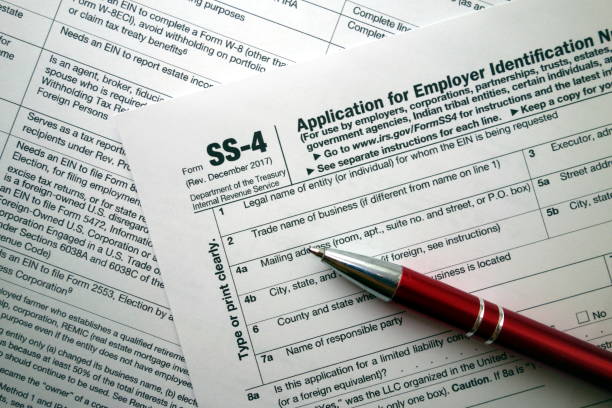
To apply for an IRS EIN, taxpayers fill out the IRS EIN application form (Form SS-4). Different business types may require an EIN, such as corporations, partnerships, limited liability companies (LLCs), non-profit organizations, estates, and trusts, depending on the type of business and what they do.
An EIN is valuable for keeping the IRS aware of business tax filings and is usually needed for payroll service providers, government entities, and financial institutions. See the full guide of IRS EIN Application Form.
Who Needs an EIN?
Not all businesses need an EIN, but many can benefit from having one. An EIN might be required if you:
- Hire employees
- Can be used as a corporation or partnership.
- Set up an LLC (Multi-Member)
- Prepare and submit federal tax returns.
- Make sure to open a business bank account. Open a business bank account.
- Apply for business licenses/ permits
- Develop a retirement benefits plan for staff.
- Run a not-for-profit business. Run a not-for-profit organisation.
Even sole proprietors who do not need an EIN may want to get one to keep their personal and business finances separate and to enhance privacy.
The IRS EIN application form can be completed in the following ways:
Basic information about your business and your responsible party is needed for the IRS EIN application. Before you start the application, you should have the following information handy:
Business Information
You will need to supply:
- Legal business name
- Trade name (if applicable)
- Business address
- Type of business entity
- Indicate the year that the business began.
Responsible Party Information
The IRS does need information on who will be managing the business. This may include:
- Full legal name
- Taxpayer Identification Number
- Contact information
Reason for Applying
Applicants must state the reason for applying for an EIN. Common reasons include:
- It is extremely essential to start a new business.
- Hiring employees
- Banking purposes
- Changing business structure
- Buying an established business
Properly informing about the applications will ensure a smooth process and will also prevent delays.
Benefits of Obtaining an EIN
Having an EIN provides some other benefits, in addition to the IRS’ requirements.
Simplified Business Banking
Most banks will need an EIN in order to open a business checking account. A separate account aids in keeping a good financial record and helps with professional business activity.
Easier Hiring Process
Generally, an EIN is needed for a business if it plans to have employees, for payroll tax reporting and employee tax documentation purposes.
Enhanced Privacy
An EIN can minimize the amount of personal data that needs to be shared on business applications and documents, which is better than using a Social Security Number.
Business Credibility
Businesses with an EIN are perceived as more reliable and legitimate by many vendors, lenders and financial institutions.
Mistakes to avoid when applying
The IRS EIN application might be a relatively easy process, but there are potential pitfalls.
Some common mistakes include:
- The default name of the business is entered if no name is provided.
- Using inaccurate taxpayer information
- Choosing an incorrect business form
- Giving an incorrect address
- Submitting duplicate applications
Taking time to carefully read all information prior to its submission will prevent processing delays and future tax issues.
What do you do after you receive an EIN?
After the IRS has approved your application, you will be issued your EIN confirmation. This document must be kept in a safe place as it could be necessary in the event of the following:
- Opening a business bank account.
- Filing federal tax returns.
- Getting business loans.
- Enrolling in state taxes
- Getting permits/licences
Businesses should also make sure to update their accounting and payroll software to report using the new EIN.
Conclusion
IRS EIN application form is an essential document that businesses require if they need an Employer Identification Number. From setting up a new business to growing a business or recruiting staff, having an EIN can help you meet federal tax regulations and manage your business efficiently.
Knowing what an EIN is, the application process, and the advantages it brings can help business owners feel confident about applying and concentrate on the development of their business. Submitting accurate information at the outset can help to avoid delays and simplify future tax and finance obligations. What to do if EIN Application forms got rejected.
