
A recent TD Bank assistant manager sentence for a massive anti-money laundering (AML) failure in recent U.S. banking history has brought it back under the spotlight. The case concerns the actions of one employee, but the issue is a much larger one: How increasingly vital AML compliance programs can shield the financial system.
Banks are used to millions of transactions per day, and are a main target of criminal organisations looking to transfer illicit funds. With the sophistication of financial crime, regulators are calling for greater internal control, transaction monitoring, and adherence to compliance processes by bank staff.
How the TD Bank Money Laundering Case Unfolded
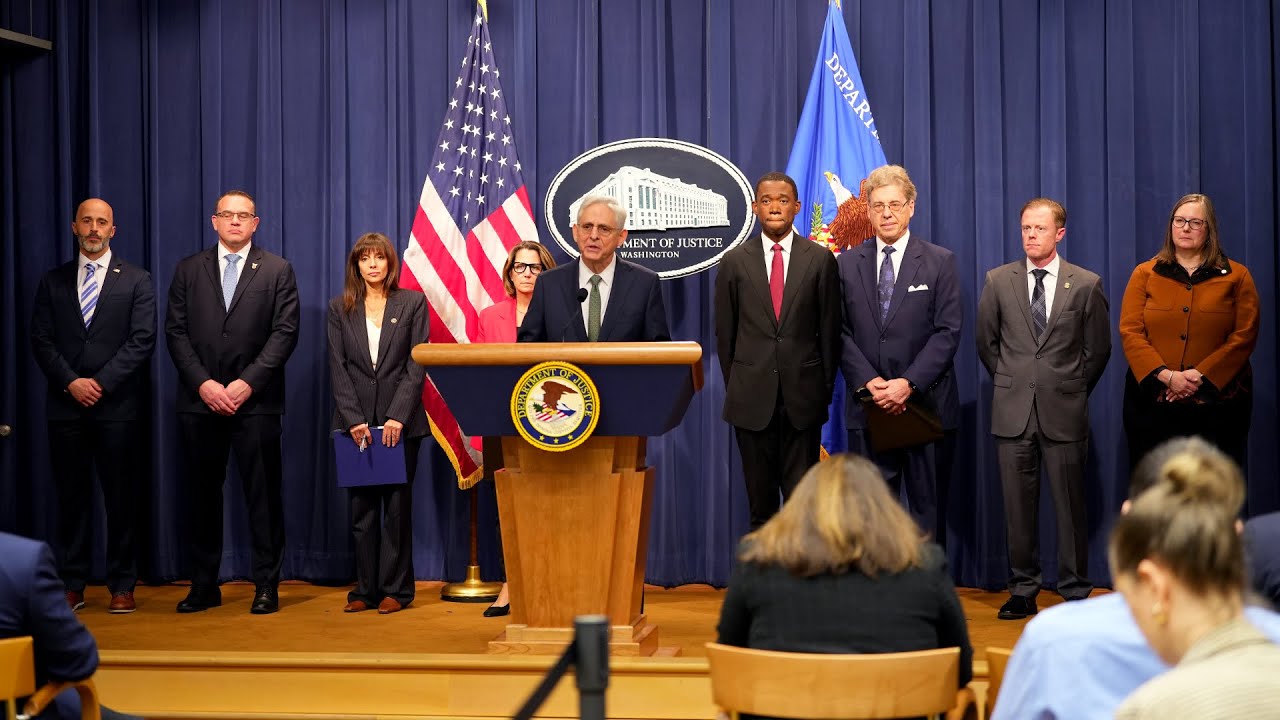
A former assistant manager at a Manhattan TD Bank branch was accused by federal prosecutors of playing a key role in a scheme to launder money for several years. The employee helped a criminal network launder large sums of money through bank accounts using his position within the bank to avoid its reporting requirements, according to the U.S. Department of Justice.
The cash deposits were made in several transactions that were supposed to raise more questions from the investigators, but were not. Instead, officials say that information that had to be reported was omitted intentionally, which allowed the network to hide the source of the money.
It later led to criminal charges, and the former employee was sentenced to prison for his role in facilitating the scheme.
Why AML Compliance Is Essential for Banks
The purpose of anti-money laundering (AML) compliance is to stop criminals from laundering money they illegally acquired through a financial institution.
Banks must set up systems to detect abnormal financial transactions, customer ID checks, accurate transaction records, and suspicious activity to regulators as needed.
Some good AML compliance program examples would include:
- Customer identity verification (Know Your Customer or KYC)
- Ongoing transaction monitoring
- Frequent risk assessments of high-risk customers
- Employee compliance training
- Reporting unusual transactions to the regulators
If these controls are not adhered to or breached, financial institutions can be compromised by criminal activity and open themselves up to severe penalties.
The Cost of Weak Compliance
As the TD Bank example shows, compliance can have repercussions that last long beyond the employee.
If a financial institution is identified as having ineffective AML controls, it will be required to do one or more of the following:
- Regulatory investigations
- Multi-million or even multi-billion dollar penalties
- Increased government oversight
- Loss of consumer confidence
- Higher compliance costs
Rebuilding trust following a significant compliance breach can take a long time for banks to achieve and involves significant investment in new systems, improved governance and greater accountability at the employee level.
How TD Bank Is Strengthening Its AML Program
In response to previous enforcement actions for AML violations, TD Bank reported that it had made significant investments to enhance its compliance program.
The reported improvements include a greater range of transaction monitoring facilities, improved customer due diligence, improved risk management, and greater employee training.
The bank, like other financial institutions, is also embracing cutting-edge technology to strengthen fraud prevention and detection. AI and machine learning tools can help compliance teams detect unusual patterns in large volumes of transactions that they wouldn’t be able to see through on their own.
Financial crime can’t be stopped with technology, but it can certainly help to make it faster and more accurate to detect suspicious activity.
What This Means for Bank Customers
This case is mainly about internal banking activities, but it is also going to impact customers.
Banks may want to verify the identity of consumers, request more information about some transactions, or check more closely on activity on their accounts than they did the previous year.
These measures are not intended to cause any inconvenience to customers. They are more about assisting financial institutions with the implementation of laws and regulations designed to prevent money laundering, fraudulent transactions, financing terrorism, and other financial crimes.
Customers can also support by keeping accurate records of their account and promptly responding to requests by their bank to verify their identity and to provide documentation.
The Growing Role of Technology in AML Compliance
Financial crimes are becoming more sophisticated, and criminals are exploiting digital payment and, multi-layered transactions, and international transfers to obscure the flow of money.
In response to these challenges, banks are putting significant emphasis on technology-based compliance solutions.
AML systems of the modern era can:
- Track transactions in real-time.
- Identify suspicious customer activity.
- Recognise trends associated with financial crime.
- Investigate the highest priority alerts first.
- Improve reporting accuracy.
When these technologies are paired with skilled compliance professionals, it creates a more robust barrier to more advanced criminal networks.
Looking Ahead
In the TD Bank money laundering case, the importance is not just about complying with regulations; it’s about fostering trust in the financial system.
Regulators will be increasingly focused on compliance, and financial crime will continue to change and evolve – which means banks will have to put in place robust internal controls, modern monitoring technology, and a culture where compliance becomes a shared task across all levels.
Improved AML practices could lead to increased verification requirements for consumers, but also to a safer and more secure banking environment. Lessons from this case reiterate the message that good compliance not only benefits financial institutions, but also the millions of consumers they serve daily. See more guides at: Filing Express.
