
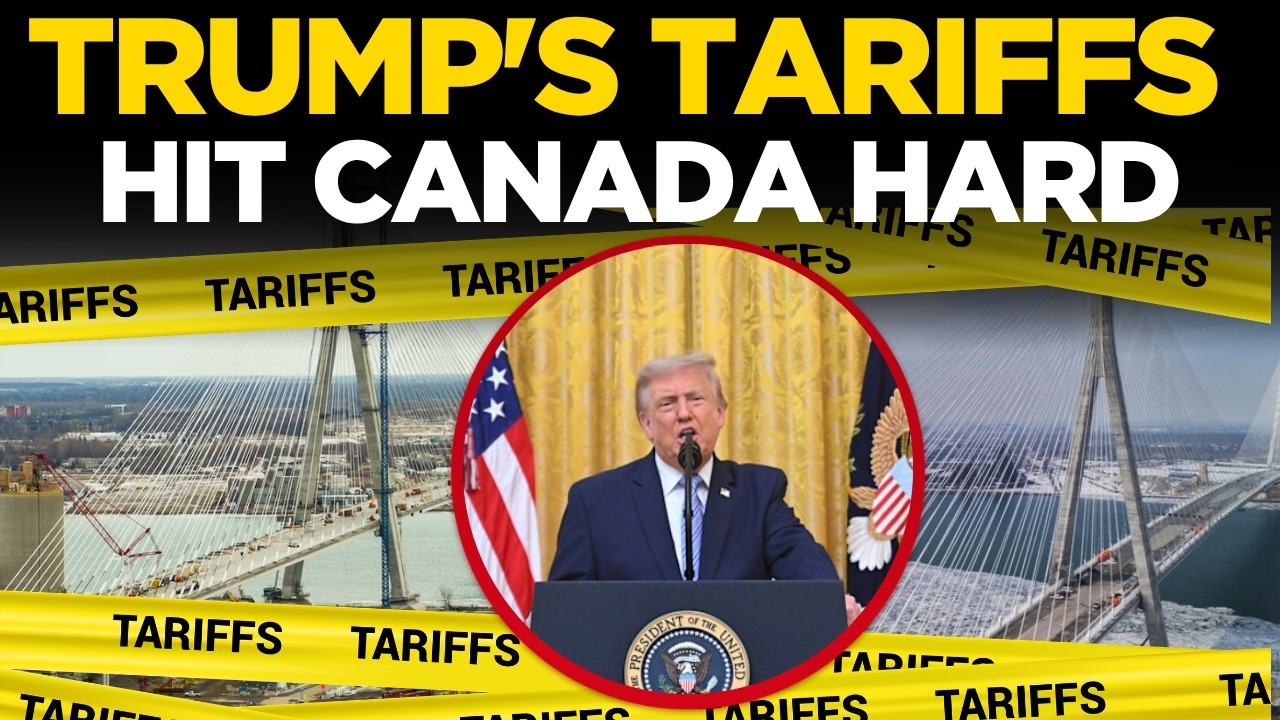
After a hiatus, the US-Canada Trade War has come back into focus as President Donald Trump announced a new 50% tariff on Canadian products that face the United States. Meanwhile, new developments in the U.S. tariff refunds that are being issued for tariffs already placed on goods have created a complicated situation for businesses engaged in trade with foreign countries.
The changes are not just a matter of political rhetoric; they mean real consequences for prices, supply chains and long-term business planning for manufacturers, importers, exporters and investors. Here are some of the changes and what they mean to business owners in the coming months.
A New Round of Tariffs Signals Renewed Trade Tensions
Trade measures have been in use to manipulate international trade for a long time. The main purpose of raising import taxes on some products is to stimulate local manufacture, to safeguard local industries, or to give governments leverage in trade negotiations.
The new announcement includes a 50% tariff for certain Canadian goods, which could lead to higher prices for U.S. companies with Canadian suppliers. The cost impact on companies importing products affected will differ depending on product category and industry, but can be a great deal more costly.
In addition to those already mentioned, manufacturing, construction, agriculture and consumer goods companies may watch these developments more closely due to their reliance on Canadian imports.
Why Tariff Refunds Are Also Making Headlines
The U.S. government’s promise to refund money due to some of the tariffs it has already implemented adds another twist to the tale.
In some instances, businesses were levied import duties that were subsequently challenged, modified, and/or overturned by legal action and/or administrative review. This means that potentially tariffs that should not be collected under new interpretations of the trade rules may be refunded to eligible importers.
Businesses can benefit from these refunds in terms of cash flow and will help to offset some of the earlier trade related expenses. The refund process, however, is rarely a simple one and requires a lot of documentation, compliance and administration before payment can be issued.
Importers of affected products should be aware of the eligibility criteria and seek advice from trade professionals where required.
How Higher Tariffs Affect Business Costs
Tariffs never affect just one business. Rather, they have ripple effects in the supply chains.
With rising import costs, companies typically have a few choices:
- Take the extra cost and lower profits.
- Shift costs to consumers by raising prices.
- Acquire alternative supplies of products.
- Support restructuring of the supply chains to minimize reliance on vulnerable imports.
Every method has its own advantages and disadvantages. Businesses that have not been as reliant on one supplier or area will be able to adapt with ease rather than those that have been more dependent in that regard.
Supply Chain Planning Becomes Even More Important
The new tariff announcement gives a very important reminder to many businesses of what they have been learning over the last few years – supply chain resiliency is important.
The world has seen a few things that have the potential of changing business conditions almost overnight, such as trade disputes, inflation, geopolitical tension and transportation issues.
There is more and more emphasis on:
- Supplier diversification
- Inventory planning
- Regional manufacturing
- Long-term procurement contracts
- Risk management strategies
Preparing for future policy is more likely to be possible for companies that are proactive in assessing their supply chains. International trade policies aren’t the only cross-border financial issue businesses should monitor. Understanding how international taxes affect global sporting events also provides valuable insight into how governments apply tax rules to global commercial activities.
The Broader Economic Impact
Trade wars can go beyond the sectors directly impacted by the tariffs.
The higher import costs can contribute to:
- Increased consumer prices
- Inflationary pressure
- Declining international trade volumes
- Delayed business investment
- Greater market uncertainty
However, other domestic industries could gain if tariffs create incentives to buy domestically manufactured products rather than imported options.
The overall economic result will be dependent on the future actions of businesses, consumers, and policy makers.
What Importers and Exporters Should Do Now
With cross-border transactions, companies shouldn’t rely on headlines to make decisions.
Rather, businesses need to look at:
- Existing supplier agreements
- Product classifications
- Import documentation
- Tariff exposure
- Cash flow forecasts
- Alternative sourcing options
Businesses that are eligible may also be able to benefit by keeping an eye on the proposed tariff refunds.
Businesses can benefit from working with trade advisors, customs specialists and financial professionals to help them understand evolving rules and regulations.
Why Investors Are Paying Attention
Investor sentiment is a factor that can be affected by a trade policy in several industries.
This could lead to rising operational expenses for firms that are heavily reliant on global supply chains, and lower foreign competition for domestic manufacturers.
Individuals who trade in the stock market tend to keep an eye on trade developments since they may influence:
- Corporate earnings
- Supply chain stability
- Commodity prices
- Manufacturing output
- Consumer spending
Markets might respond to tariff news in real time, but long-term investments must be based on more than just short-term news.
Looking Ahead
United States and Canadian trade relationships continue to be among the largest in the world. There are often times of tension, but both nations have close economic relationships in trade, industry, energy and agriculture.
The most recent tariffs—and the process by which the refunds on past tariffs are to be issued—illustrate the rapid pace at which trade policy can change. Companies which stay informed, audit their supply chains and make corresponding adaptations are likely to be better prepared to cope with uncertainty.
Final Words
The ongoing US-Canada Trade War is a reminder that international trade policy can have a short-impact impact on businesses of all sizes. A 50% tariff on some Canadian products, which Trump has proposed, coupled with the government’s tariff refund process, shows how cross-border trade is changing.
To know what is happening is key for business owners, importers as well as investors. Organizations can address uncertainty in their supply chains by reviewing their supply chain, monitoring regulatory changes, and planning for various cost impacts that may occur, as well as opportunities that may arise from changing trade policies. As global regulations continue to evolve, companies should focus not only on trade compliance but also on why AML compliance matters for modern businesses, helping reduce financial risk and strengthen regulatory preparedness.
